
Traveling can significantly damage your hair, leading to dryness and manageability issues. Sun exposure, chlorinated pools, salty ocean water, and hard water in hotels all negatively impact hair health during vacations. Let’s explore practical post-vacation hair care tips to protect and restore it. You’ll learn how to evaluate damage, and thoroughly clean, rehydrate, and repair your hair after a trip.
How Travel Impacts Hair Health
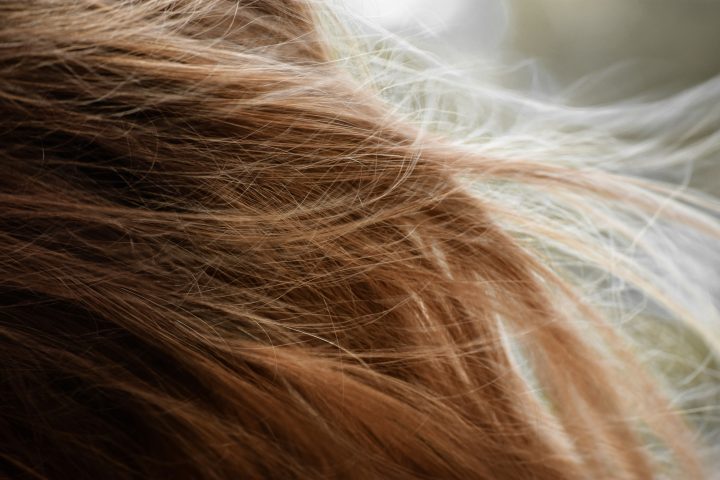
Vacations can significantly affect your hair health in various ways. Sun exposure is a major factor, with UV rays damaging the hair’s protein structure, leading to dryness, brittleness, and color fading. This damage weakens the hair, making it more prone to breakage.
High humidity in tropical destinations causes hair to absorb excess moisture, resulting in frizz and changes in texture. This can make hair difficult to manage and style.
Swimming exposes hair to harmful elements. Chlorine in pools strips hair of its natural oils, leaving it dry and brittle. Saltwater from the ocean dehydrates hair, causing roughness and tangling.
Water quality changes can also impact hair health. Hard water, common in many travel destinations, leaves mineral deposits on hair, making it feel rough and dull.
Travel itself can be stressful on hair. Changes in routine, different sleeping environments, and frequent styling can lead to increased breakage and split ends. The stress of travel can even affect scalp health, potentially causing issues like excess oil production or flakiness.
Prices pulled from the Amazon Product Advertising API on:
Product prices and availability are accurate as of the date/time indicated and are subject to change. Any price and availability information displayed on [relevant Amazon Site(s), as applicable] at the time of purchase will apply to the purchase of this product.
Assessing Hair Damage After Vacation
After your vacation, it’s important to check your hair for signs of damage. Start by examining your ends for splits or frays, which indicate stress on your hair. Next, feel your hair’s texture. If it’s rougher or frizzier than usual, it may be suffering from dryness due to sun exposure, salt water, or chlorine.
Look at your hair in natural light to assess its shine. Dull, lackluster hair often signals damage. Don’t forget to check your scalp too. Gently massage it to detect any dryness, flakiness, or unusual oiliness, which can result from environmental changes during your trip.
To test elasticity, try the stretch test: gently pull a wet strand of hair. Healthy hair should stretch slightly and return to its original length. If it breaks easily or doesn’t bounce back, it may lack moisture or protein.
Related: 10 Hacks for Traveling Hair Care
Clarifying and Deep Cleaning
Clarifying shampoos are essential for removing build-up from products, chlorine, and salt that regular shampoos can’t tackle effectively. To start your post-vacation hair care routine, use a clarifying shampoo once or twice. These shampoos are stronger than regular ones, so don’t overuse them. Apply the shampoo to wet hair, massage it into your scalp and along the length of your hair, then rinse thoroughly.
Follow up with a deep conditioner to restore moisture. Apply it generously from mid-length to ends, leave it on for 5-10 minutes, then rinse. For extra hydration, wrap your hair in a warm towel while the conditioner works.
Look for clarifying shampoos with ingredients like activated charcoal or apple cider vinegar for effective cleansing. When choosing a deep conditioner, opt for ones with nourishing ingredients like argan oil or shea butter.

Prices pulled from the Amazon Product Advertising API on:
Product prices and availability are accurate as of the date/time indicated and are subject to change. Any price and availability information displayed on [relevant Amazon Site(s), as applicable] at the time of purchase will apply to the purchase of this product.
Rehydrating Hair with Moisturizing Treatments
Use hydrating masks, oils, and leave-in conditioners to replenish lost hydration. Hair masks are deep-conditioning treatments that moisturize your hair. Look for masks with shea butter, argan oil, or hyaluronic acid. Apply once a week, leaving it on for 15-20 minutes. For better results, wrap your hair in a warm towel while the mask works.
Hair oils like argan, coconut, and jojoba seal in moisture and add shine. Apply a few drops to damp hair, focusing on the ends. If you’re concerned about oiliness, use it as an overnight treatment.
Leave-in conditioners provide quick hydration without weighing hair down. Apply after showering, especially to the ends. They’re perfect for daily use between deeper treatments.
For effective post-vacation hair care:
- Use a sulfate-free shampoo to avoid further drying.
- Apply a hydrating mask weekly.
- Use a leave-in conditioner daily.
- Finish with a few drops of hair oil to seal in moisture.
Repairing Damage with Protein Treatments
Sun, salt water, or chlorine can weaken hair strands by damaging the protein structure. Protein treatments can help repair this damage and strengthen your hair. There are several types of protein treatments available:
- Keratin treatments smooth the hair cuticle, making hair stronger and less frizzy.
- Protein masks can be store-bought or homemade, containing ingredients like wheat or soy protein to repair hair structure.
- Leave-in protein treatments: Lighter than masks, these provide ongoing protection throughout the day.
To use a protein treatment:
- Apply to damp hair, focusing on mid-lengths to ends.
- For better results, wrap your hair in a warm towel during treatment.
- Start with once a week and adjust based on your hair’s response.
Be careful not to overuse protein treatments, as this can make hair brittle. Balance protein treatments with moisturizing products for best results.

Prices pulled from the Amazon Product Advertising API on:
Product prices and availability are accurate as of the date/time indicated and are subject to change. Any price and availability information displayed on [relevant Amazon Site(s), as applicable] at the time of purchase will apply to the purchase of this product.
Scalp Care Post-Vacation
After a vacation, your scalp might be dry, itchy, or irritated from sun exposure, saltwater, and sand. To restore scalp health, start with a gentle exfoliation. Use a scalp scrub with natural ingredients like sugar or salt to remove dead skin cells and product buildup.
Next, use a rebalancing shampoo to restore your scalp’s pH levels. Look for products containing tea tree oil or apple cider vinegar, which can help control oil production and soothe irritation. These shampoos are especially helpful if you’re experiencing flakiness.
For deep nourishment, try a soothing oil treatment. Warm a few drops of jojoba or argan oil and gently massage it into your scalp. This can improve blood circulation and may even promote hair growth.
Incorporate these steps into your post-vacation hair care routine:
- Use a gentle scalp scrub in the shower once a week.
- Wash with a rebalancing shampoo.
- Apply a soothing oil treatment weekly.
- Use a leave-in scalp treatment daily for ongoing care.
Trimming Split Ends and Freshening Up
A light trim can remove damaged ends and promote healthier hair growth. You don’t need to cut off much – even half an inch can make a significant difference in how your hair looks and feels.
While you’re at the salon, consider refreshing your hairstyle. This could be as simple as adding some layers or as bold as trying a completely new look. A new style can help maintain that vacation feeling and give you a confidence boost.
If you’re comfortable, you can trim your ends at home. Use sharp hair scissors and cut small amounts at a time. However, for best results, visiting a professional stylist is recommended. They can identify and address damage you might miss.
Remember, trimming your hair after vacation isn’t just about appearances. It’s an essential step in maintaining hair health. Regular trims every 6-8 weeks can prevent split ends from traveling up the hair shaft and causing more damage.
Post-Vacation Hair Care for Different Hair Types
Different hair types need specific care. For straight hair, use volumizing shampoo and conditioner with biotin or wheat protein to add body. A sea salt spray can help recreate beach waves.
Curly hair benefits from deep conditioning treatments with argan or coconut oil to restore moisture and define curls. Use leave-in conditioner generously on damp hair to combat frizz and keep curls hydrated.
Colored hair requires extra protection. Use a color-safe, sulfate-free shampoo to prevent fading. Before swimming, wet your hair and apply a leave-in conditioner to create a barrier against chlorine.
Textured hair needs intense moisturizing. Try co-washing (conditioner-only washing) to cleanse gently. Apply a moisturizing cream or butter with shea butter or jojoba oil, followed by a lightweight oil to seal in moisture.

Prices pulled from the Amazon Product Advertising API on:
Product prices and availability are accurate as of the date/time indicated and are subject to change. Any price and availability information displayed on [relevant Amazon Site(s), as applicable] at the time of purchase will apply to the purchase of this product.
Final Tips
Let’s recap the key steps for restoring your hair after vacation and maintaining its health long-term. Start with a deep cleanse using a clarifying shampoo to remove build-up from sun, salt, and chlorine. Follow this with intense moisturizing treatments to rehydrate your hair. Don’t forget to care for your scalp – it needs attention too after sun exposure.
For long-term care, establish a consistent routine. Use sulfate-free shampoos and moisturizing conditioners regularly. Apply a deep conditioning mask weekly. Consider using leave-in conditioners for extra hydration, especially for curly hair. A few drops of hair oil can help protect against daily damage.
Remember to get regular trims to manage split ends and maintain hair health. Limit heat styling to prevent further damage. When you do use heat, always apply a heat protectant first.
FAQs
How do I treat my hair after a holiday?
To treat your hair after a holiday, start with a clarifying shampoo to remove build-up. Apply a deep conditioning mask and trim split ends. Use a leave-in conditioner for extra moisture and avoid heat styling for a week. Apply hair oil to seal in hydration and use a UV protectant if still in sunny conditions.
How do I revive my hair after the beach?
To revive your hair after the beach, rinse thoroughly with fresh water and use a chelating shampoo to remove salt and minerals. Apply a deep conditioning treatment followed by a leave-in conditioner with UV protection. Avoid heat styling for a few days and use a hair mask with proteins and moisturizing ingredients. Consider a trim to remove damaged ends.
Why is my hair so dry after vacation?
Your hair may be dry after vacation due to sun exposure damaging the hair cuticle and saltwater stripping moisture. Chlorine in pools can be drying and damaging. Changes in climate, humidity, and increased washing frequency contribute to dryness. Lack of regular conditioning while traveling and wind exposure, especially in coastal areas, can also leave hair feeling parched.
How do you take care of your hair after the sea?
To care for your hair after sea exposure, rinse thoroughly with fresh water and use a clarifying shampoo to remove salt residue. Apply a deep conditioning mask followed by a leave-in conditioner for extra moisture. Avoid heat styling for a few days and apply a hair oil to seal in hydration. Use a wide-toothed comb to detangle gently.
