
Dealing with hormonal acne can feel like a never-ending battle. You might be following all the rules—washing your face regularly, eating a balanced diet, avoiding too much sun exposure—yet those pesky pimples still pop up like uninvited guests. The truth is, hormonal acne is a different beast altogether, and tackling it requires a bit more strategy, patience, and care. The good news is that with the right skincare routine and some lifestyle tweaks, you can manage hormonal acne effectively. Let’s dive into how you can create a skincare routine that works with your body, not against it.
Understanding Hormonal Acne
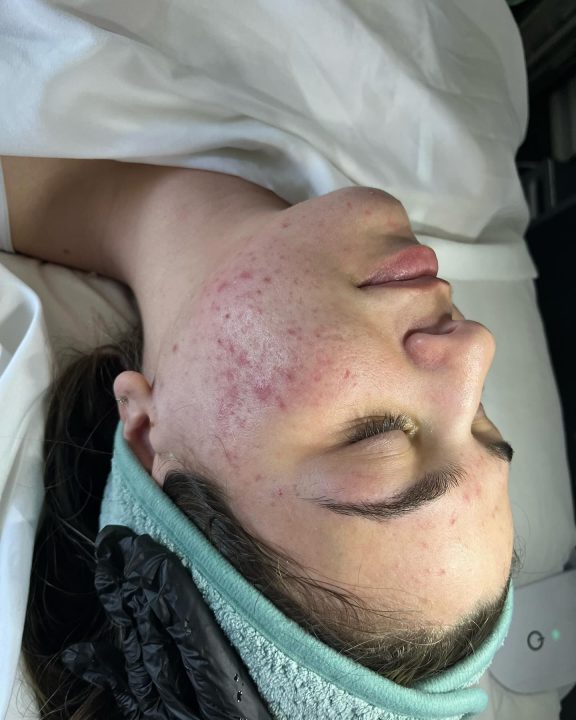
Hormonal acne typically appears on the lower part of your face, such as the cheeks, jawline, chin, and neck. These breakouts often manifest as deep, cystic pimples that can be painful and take a long time to heal.
The key culprits behind hormonal acne are androgens—male hormones like testosterone that everyone has to some degree.
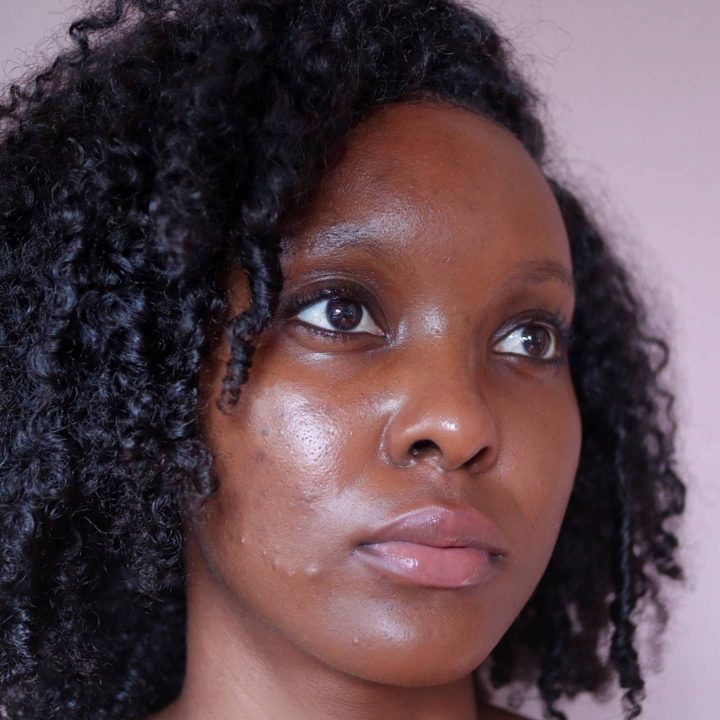
When your androgen levels increase, your skin produces more sebum (oil). This excess oil can mix with dead skin cells, clogging your pores and providing the perfect breeding ground for acne-causing bacteria.
One of the most frustrating things about hormonal acne is that it doesn’t always respond to over-the-counter treatments like other types of acne might. That’s why a tailored skincare routine and, in some cases, professional intervention can make a significant difference.
Crafting Your Skincare Routine
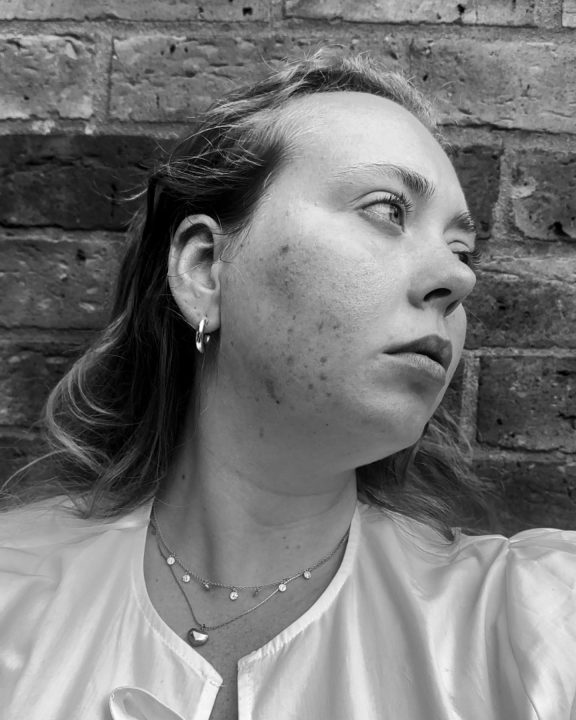
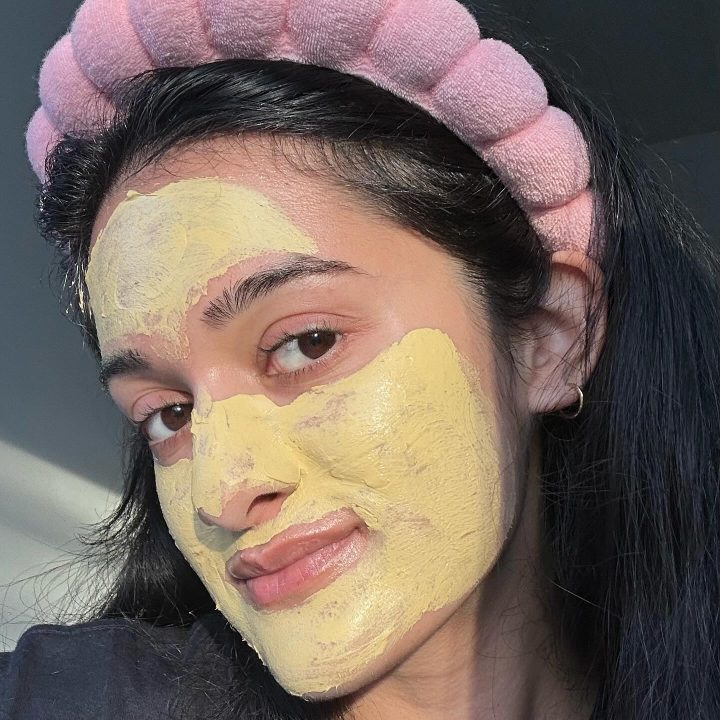
spottylittlething on instagram
1. Start with a Gentle Cleanser
The first step in your skincare routine should be a gentle cleanser.
While it might be tempting to reach for something that promises to strip away all the oil, that’s usually counterproductive. Harsh cleansers can irritate your skin and lead to more oil production as your skin tries to compensate for the dryness.Look for a cleanser that’s sulfate-free and pH-balanced. Ingredients like salicylic acid can be beneficial because they penetrate the pores and help to dissolve oil and debris. However, if your skin is sensitive, you might want to start with a lower concentration to avoid irritation.
Example Routine:
- Morning: Use a mild salicylic acid cleanser to help keep your pores clear.
- Evening: Opt for a hydrating cleanser that removes the day’s grime without stripping your skin.
2. Don’t Skip the Toner
Toners can be a game-changer, especially when they contain ingredients that target acne.
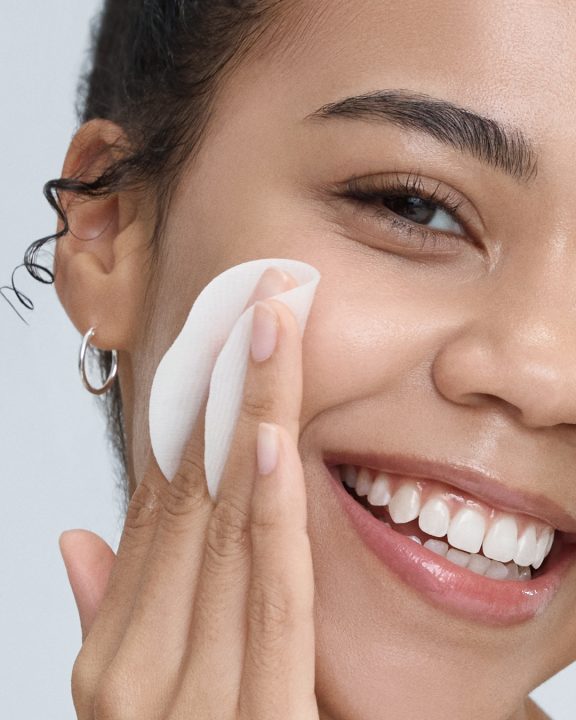
After cleansing, a toner can help to remove any lingering impurities, balance your skin’s pH, and prepare your skin for the next steps in your routine.For hormonal acne, look for toners with ingredients like witch hazel (a natural astringent), niacinamide (which can reduce inflammation and improve skin texture), or even AHAs and BHAs (to gently exfoliate and keep pores clear).
However, be cautious with how strong the product is, especially if you’re using other active ingredients in your routine.
Example Routine:
- Morning and Evening: Apply a toner with niacinamide or a mild exfoliant after cleansing.

- HYDRATION & LUMINOSITY BOOST: Improves hydration and moisture barrier with an illuminating effect, enhancing your skins natural radiance. Balances oil and water levels for a harmonized and refreshed complexion.
Prices pulled from the Amazon Product Advertising API on:
Product prices and availability are accurate as of the date/time indicated and are subject to change. Any price and availability information displayed on [relevant Amazon Site(s), as applicable] at the time of purchase will apply to the purchase of this product.
3. Treat with Targeted Serums
Serums are where you can really focus on treating hormonal acne.
Depending on your skin’s needs, you might want to incorporate one or more serums that target different aspects of acne.
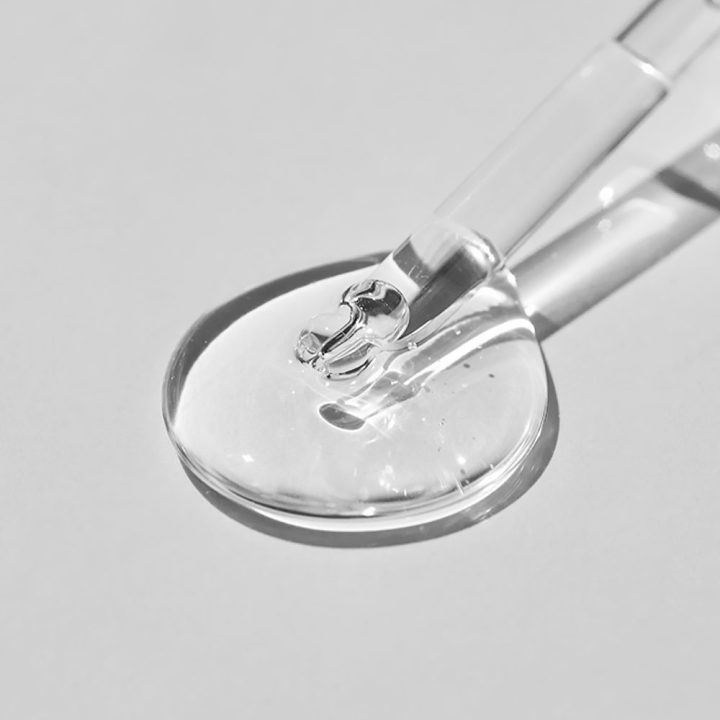
Key Ingredients:
- Retinoids: These vitamin A derivatives are a powerhouse for acne treatment. They help to speed up cell turnover, preventing dead skin cells from clogging your pores. However, retinoids can be drying, so it’s essential to start slowly and build up your tolerance.
- Azelaic Acid: This ingredient is fantastic for reducing inflammation and redness while also killing acne-causing bacteria.
- Benzoyl Peroxide: A classic acne treatment that’s effective in killing bacteria, though it can be drying, so it’s best used in targeted areas or lower concentrations.
- Niacinamide: Known for its anti-inflammatory properties, niacinamide can help to reduce redness and regulate oil production.

- Clears breakouts where they start (Deep in pores) and prevents new acne from forming, which ultimately restores skins texture and tone
Prices pulled from the Amazon Product Advertising API on:
Product prices and availability are accurate as of the date/time indicated and are subject to change. Any price and availability information displayed on [relevant Amazon Site(s), as applicable] at the time of purchase will apply to the purchase of this product.
Example Routine:
- Morning: Apply a niacinamide serum to reduce oil production and soothe inflammation.
- Evening: Use a retinoid or azelaic acid serum to prevent breakouts and improve skin texture.

- EXFOLIATING & HYDRATING: Our azelaic acid serum works to gently exfoliate. Formulated with an azelaic acid derivative that helps to balance excess oil, leaving skin feeling comfortable and hydrated
Prices pulled from the Amazon Product Advertising API on:
Product prices and availability are accurate as of the date/time indicated and are subject to change. Any price and availability information displayed on [relevant Amazon Site(s), as applicable] at the time of purchase will apply to the purchase of this product.
4. Hydrate Without Clogging Pores
Moisturizing might seem counterintuitive when you’re dealing with acne, but it’s crucial to keep your skin’s barrier healthy. The trick is to choose a moisturizer that provides hydration without clogging your pores.
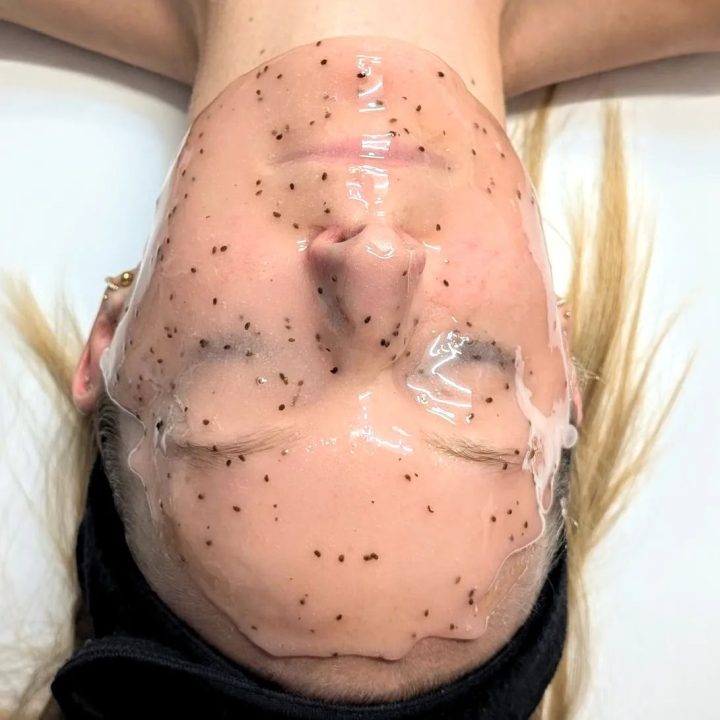
Look for non-comedogenic (won’t clog pores) moisturizers that are oil-free or gel-based. Ingredients like hyaluronic acid can provide hydration without heaviness, while ceramides can help to repair your skin barrier, which is often compromised when dealing with acne.
Example Routine:
- Morning: Use a lightweight, non-comedogenic moisturizer.
- Evening: Opt for a slightly richer moisturizer if your skin feels dry after applying your active treatments.
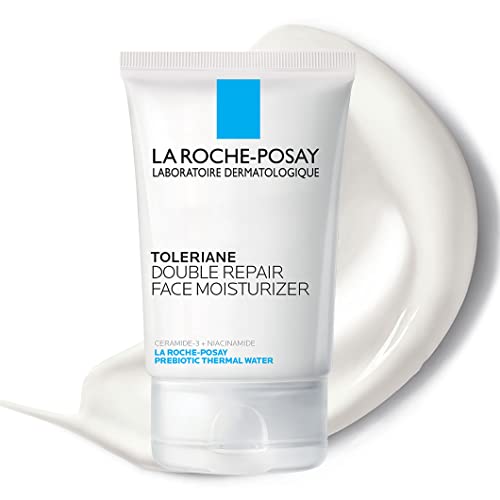
- Toleriane Double Repair Face Moisturizer is formulated with dermatologist-recommended ingredients including ceramide-3, niacinamide, glycerin and La Roche-Posay Prebiotic Thermal Water
Prices pulled from the Amazon Product Advertising API on:
Product prices and availability are accurate as of the date/time indicated and are subject to change. Any price and availability information displayed on [relevant Amazon Site(s), as applicable] at the time of purchase will apply to the purchase of this product.
5. Sun Protection is Non-Negotiable
If there’s one step you should never skip, it’s applying sunscreen.
Sun exposure can worsen acne and lead to post-inflammatory hyperpigmentation (those dark spots that linger long after a pimple is gone). However, finding a sunscreen that doesn’t exacerbate acne can be tricky.Mineral sunscreens, which use zinc oxide or titanium dioxide, are usually a safer bet for acne-prone skin. They’re less likely to clog pores and offer broad-spectrum protection.

Additionally, some sunscreens are formulated with niacinamide or other soothing ingredients to help keep your skin calm throughout the day
.Example Routine:
- Morning: Apply a broad-spectrum SPF 30 or higher as the last step in your skincare routine.
- Throughout the day: Reapply as needed, especially if you’re spending time outdoors.

- Zinc Oxide Sunscreen: Gentle facial sunscreen formula with Broad Spectrum UVA/UVB protection based on a mineral filter (Naturally Sourced Zinc Oxide(1))
Prices pulled from the Amazon Product Advertising API on:
Product prices and availability are accurate as of the date/time indicated and are subject to change. Any price and availability information displayed on [relevant Amazon Site(s), as applicable] at the time of purchase will apply to the purchase of this product.
Lifestyle Changes to Support Your Skincare Routine
While a solid skincare routine is very important, addressing hormonal acne often requires looking at the bigger picture. Hormones are influenced by various factors, including diet, stress, and sleep, so making some lifestyle adjustments can complement your skincare efforts.
- Diet and Hormonal AcneThere’s a lot of debate about the connection between diet and acne, but some research suggests that certain foods can exacerbate hormonal imbalances and, by extension, acne. High-glycemic foods (those that spike your blood sugar) and dairy have been linked to increased acne in some people.Consider keeping a food diary to see if certain foods trigger your breakouts. For some, cutting back on sugar, refined carbs, and dairy can make a noticeable difference in their skin’s clarity.
- Manage Stress LevelsStress is a major player in hormonal fluctuations, and chronic stress can throw your hormones out of whack, leading to breakouts. Finding ways to manage stress, whether through exercise, meditation, or even just taking time for yourself, can help balance your hormones.
- Prioritize SleepYour body does a lot of repair work while you sleep, including balancing hormones. Poor sleep can lead to increased stress and hormonal imbalance, so aim for 7-9 hours of quality sleep each night. A consistent sleep schedule and a calming bedtime routine can make a big difference.
- Consult a Healthcare ProfessionalIf your hormonal acne is severe or not responding to over-the-counter treatments, it might be time to see a dermatologist or healthcare provider. They can help you explore other options, such as prescription medications, hormonal treatments like birth control or spironolactone, or even in-office procedures like chemical peels or laser therapy.
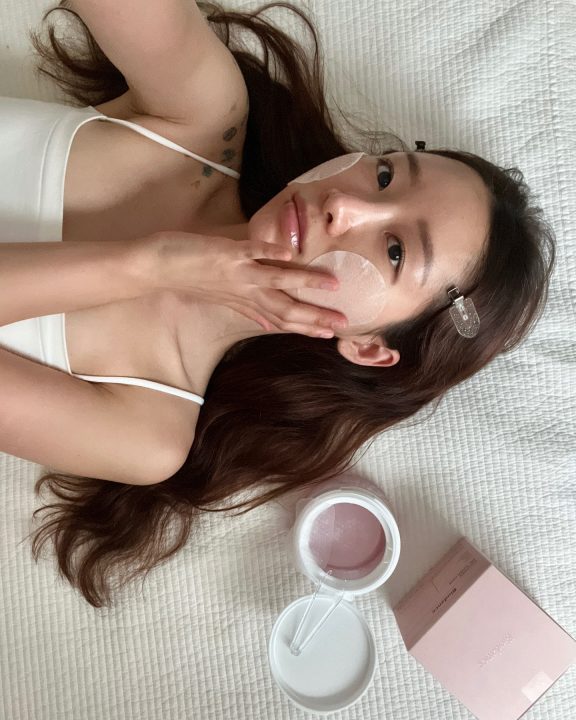
Be Kind to Yourself
Dealing with hormonal acne can be tough, both physically and emotionally. It’s easy to feel frustrated, especially when flare-ups happen despite your best efforts.
Remember, acne doesn’t define you, and it’s something that many people experience. The most important thing is to be gentle with yourself—both in your skincare routine and in your self-talk.
It might take some time to find the routine that works best for you, and that’s okay. Skincare is a journey, and what works for someone else might not work for you. Listen to your skin, adjust as needed, and don’t hesitate to seek professional advice if you’re feeling overwhelmed.

Tame the Breakouts
Crafting a skincare routine for hormonal acne is about finding that balance between treating acne and nurturing your skin’s health. While hormonal acne can be stubborn, with patience and persistence, you can achieve clearer, happier skin.
Above all, remember that you’re not alone in this journey. Acne is incredibly common, and there’s no shame in seeking help or feeling frustrated at times. Your skin is just one part of who you are, and taking care of it is an act of self-love.
To better skin days are ahead.