
Dry skin can be frustrating, uncomfortable, and even painful at times. Is it the result of harsh weather, genetics, or lifestyle choices? Who knows sometimes, right? The right moisturizer for dry skin maintains a healthy and comfortable complexion. In today’s post, let’s together learn how to choose the best moisturizer for your skin type, and the ingredients that can make a world of difference.
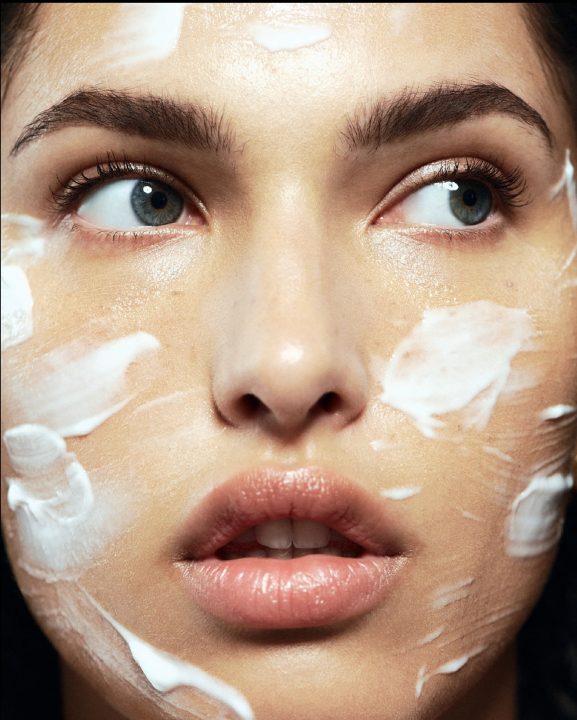
Let’s Talk About Dry Skin
Also known as xerosis, dry skin occurs when your skin lacks adequate moisture or oil. This can lead to a variety of symptoms, including flakiness, rough patches, redness, itching, and even cracks that can become painful or bleed. The severity of dry skin can range from mild and occasional to chronic and severe, often requiring different approaches to treatment and care.

Common Causes of Dry Skin
- Weather Conditions: Cold, windy, and dry weather, especially during winter, can strip your skin of its natural moisture, leaving it dry and irritated.
- Hot Showers and Baths: While relaxing, hot water can also strip away your skin’s natural oils, leading to dryness.
- Harsh Soaps and Cleansers: Some soaps and cleansers contain harsh ingredients that can remove the skin’s protective barrier, leading to dryness.
- Aging: As we age, our skin produces less oil and becomes thinner, making it more prone to dryness.
- Dehydration: Not drinking enough water can lead to dehydration, which can manifest as dry skin.
- Skin Conditions: Conditions such as eczema, psoriasis, and dermatitis can cause chronic dry skin.

Getting to the root cause of your dry skin is the first step in choosing the right moisturizer.
For instance, if your dry skin is due to weather conditions, a heavier, more protective moisturizer might be best. If it’s due to a skin condition like eczema, you’ll want to look for products specifically formulated to address those issues.
What to Look for in a Moisturizer for Dry Skin
We know that not all moisturizers are created equal, and what works for one person may not work for another.
Here’s what to consider when shopping for a moisturizer:
1. Hydrating Ingredients

The best moisturizers for dry skin are packed with hydrating ingredients that draw moisture into the skin and help retain it.
Here are some key ingredients to look for:
- Hyaluronic Acid: Known for its ability to hold 1,000 times its weight in water, hyaluronic acid is a superstar when it comes to hydrating dry skin.
- Glycerin: A humectant, glycerin draws moisture from the environment into your skin, keeping it hydrated.
- Aloe Vera: This natural ingredient soothes and hydrates the skin, making it an excellent choice for those with sensitive or irritated dry skin.

- Long-lasting Hydration: Infused with 92% of snail mucin (also called Snail Secretion Filtrate), this cream builds a moisture barrier to plump, hydrate, and soothes skin. This everyday multi-solution cream glides onto the skin and revives skin radiance.
Prices pulled from the Amazon Product Advertising API on:
Product prices and availability are accurate as of the date/time indicated and are subject to change. Any price and availability information displayed on [relevant Amazon Site(s), as applicable] at the time of purchase will apply to the purchase of this product.
2. Moisturizing Agents
These are the ingredients that help to lock in moisture and strengthen your skin’s barrier:
- Ceramides: These fatty acids are essential for maintaining the skin’s barrier and preventing moisture loss.
- Shea Butter: A rich, nourishing butter that helps to soothe and hydrate very dry skin.
- Squalane: A lightweight oil that mimics your skin’s natural oils, squalane is great for adding moisture without feeling heavy.
Related: Best Gel Moisturizers for People with Dry Skin

- What’s in it: 5 Ceramides strengthen the skin barrier. Vitamin-derived Panthenol increases moisture and reinforces the skin barrier for more water retention. Glycerin to deliver moisture to dry, tight skin.
Prices pulled from the Amazon Product Advertising API on:
Product prices and availability are accurate as of the date/time indicated and are subject to change. Any price and availability information displayed on [relevant Amazon Site(s), as applicable] at the time of purchase will apply to the purchase of this product.
3. Barrier Repair Ingredients
For those with severely dry skin, especially if it’s accompanied by irritation or flakiness, barrier repair ingredients can make a big difference:
- Niacinamide: Also known as vitamin B3, niacinamide helps to improve the skin’s barrier function and reduce redness and inflammation.
- Panthenol: Also known as vitamin B5, panthenol helps to repair the skin’s barrier and improve hydration.

- Rich moisturizing cream formulated with 10% Panthenol helps protect and strengthen the skin barrier. Panthenol provides instant hydration, attracts and holds moisture to retain it within the skin layers. Combined with skin-friendly ingredients such as Niacinamide, Squalane, and Centella Asiatica Extract, this cream offers exceptional performance in softening the skin, leaving it smooth, and providing continuous improvements to skins health.
Prices pulled from the Amazon Product Advertising API on:
Product prices and availability are accurate as of the date/time indicated and are subject to change. Any price and availability information displayed on [relevant Amazon Site(s), as applicable] at the time of purchase will apply to the purchase of this product.
4. Non-Irritating Formulas

If your skin is both dry and sensitive, you’ll want to avoid ingredients that can cause irritation, such as alcohol, fragrance, and certain preservatives. Look for products labeled as hypoallergenic or suitable for sensitive skin.
5. Sun Protection

UV rays can exacerbate dry skin by damaging the skin’s barrier and leading to further moisture loss. Choosing a moisturizer with SPF is a smart move, especially if you’re spending time outdoors.
How to Choose the Best Moisturizer for Your Skin Type
While the ingredients above are great for most people with dry skin, it’s also important to consider your specific skin type and any other concerns you may have.
1. For Normal to Dry Skin
If your skin is generally well-balanced but tends to get dry in certain areas or during certain times of the year, a medium-weight moisturizer with a combination of hydrating and moisturizing ingredients should work well. Look for products that contain hyaluronic acid, glycerin, and a lightweight oil like squalane.
2. For Very Dry Skin
For those with very dry skin, a richer, more emollient moisturizer is necessary. Products that contain shea butter, ceramides, and a heavier oil like jojoba or avocado oil can provide the deep hydration and nourishment your skin needs.

3. For Sensitive Dry Skin
If your skin is both dry and sensitive, opt for a moisturizer that is free of potential irritants like fragrance, alcohol, and essential oils. Look for calming ingredients like aloe vera, chamomile, and oatmeal, which can help soothe irritation while hydrating your skin.
4. For Dry, Acne-Prone Skin
If you have dry skin but are also prone to breakouts, finding a non-comedogenic moisturizer is key. Look for lightweight, hydrating ingredients like hyaluronic acid and glycerin, and avoid heavy oils that can clog pores. Ingredients like niacinamide can also help reduce inflammation and improve the skin’s barrier function without causing breakouts.

The Right Way to Apply Moisturizer for Maximum Effect
How you apply your moisturizer can be just as important as the product itself.
Let this be a guide for you, but of course you should listen to your skin as well.
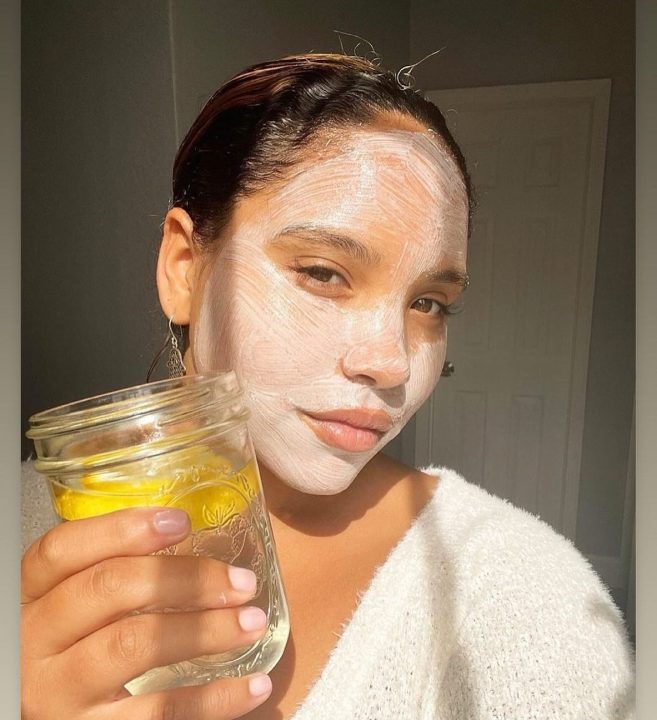
1. Apply on Damp Skin
For best results, apply your moisturizer immediately after cleansing or bathing while your skin is still slightly damp. This helps to lock in the moisture that’s already on your skin, making your moisturizer even more effective.
2. Use the Right Amount
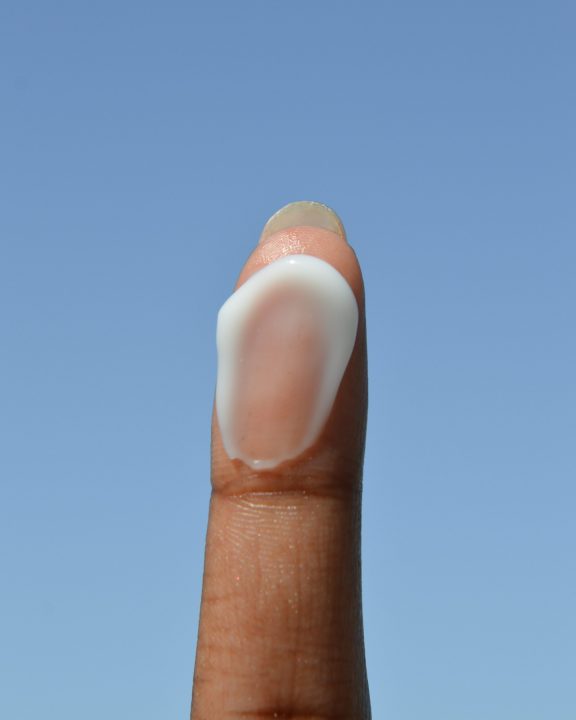
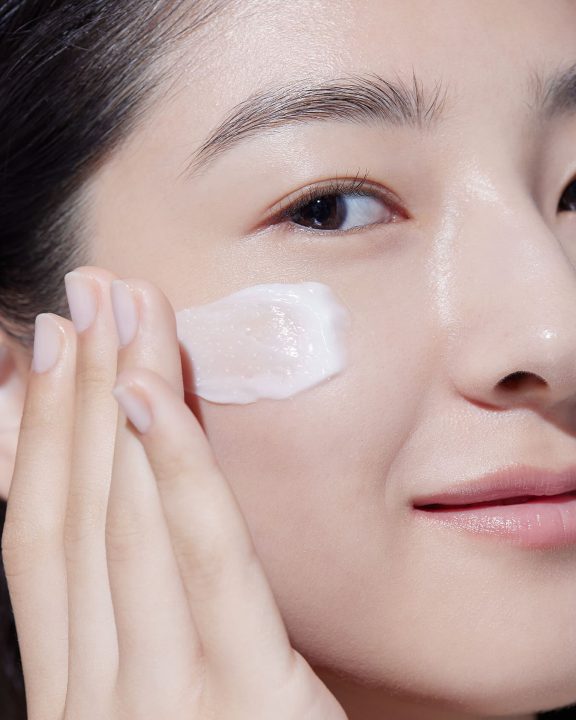
You don’t need to slather on a thick layer of moisturizer to see results. In fact, using too much product can lead to clogged pores and other issues. A pea-sized amount is usually enough for your face, and a quarter-sized amount should be sufficient for your body.
3. Pat, Don’t Rub
When applying moisturizer to your face, gently pat the product into your skin rather than rubbing it. This helps to avoid unnecessary irritation and ensures the product is evenly distributed.
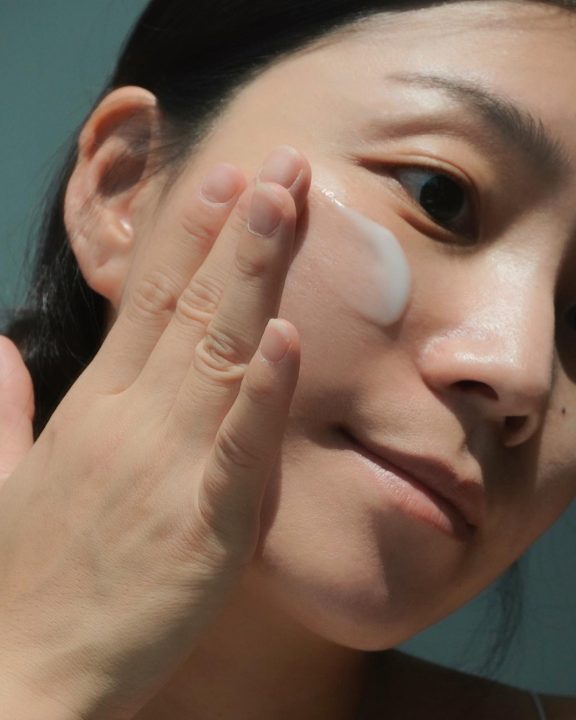
4. Don’t Forget Your Neck and Chest
These areas are often overlooked but can be just as prone to dryness as your face. Be sure to extend your moisturizer down to your neck and chest to keep these areas hydrated and healthy.
5. Layer as Needed
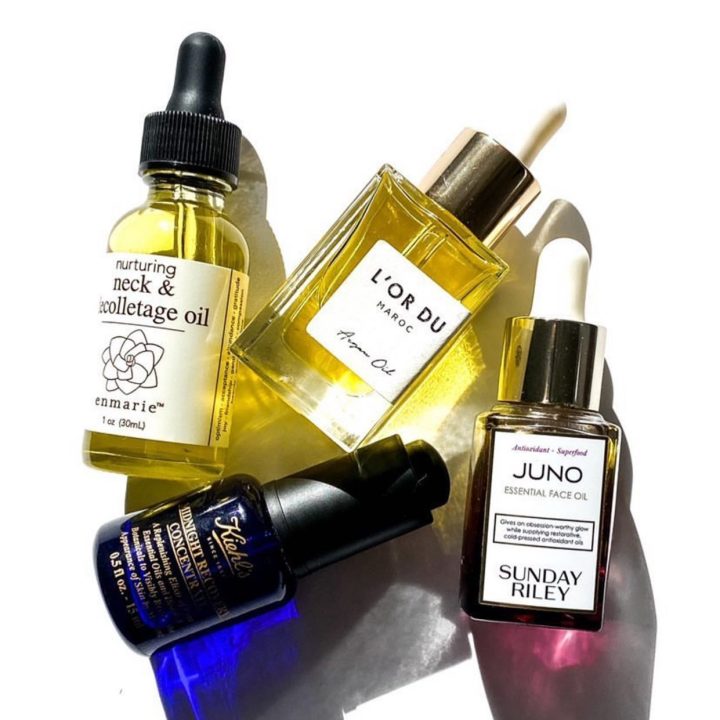
If your skin is extremely dry, you may need to layer your products to get the best results. Start with a hydrating serum or essence, followed by your moisturizer, and finish with a facial oil or balm for an extra layer of protection.
Moisturizer Don’ts
Even with the best products, certain habits can undermine your efforts to keep your skin hydrated.
1. Using the Wrong Moisturizer for Your Skin Type
Using a moisturizer that’s too heavy or too light for your skin type can lead to problems like clogged pores, irritation, or inadequate hydration. Be sure to choose a product that matches your specific needs.
2. Skipping Moisturizer After Cleansing
Cleansing can strip your skin of its natural oils, leaving it vulnerable to dryness. Always follow up with a moisturizer to replenish lost moisture and protect your skin.
3. Over-Exfoliating
While exfoliating can help remove dead skin cells and improve the effectiveness of your moisturizer, overdoing it can damage your skin’s barrier and lead to increased dryness. Stick to gentle exfoliation once or twice a week, and be sure to follow up with a hydrating moisturizer.

4. Ignoring Seasonal Changes
Your skin’s needs can change with the seasons. In the winter, you may need a richer moisturizer to combat dry, cold air, while in the summer, a lighter product may be sufficient. Pay attention to how your skin feels and adjust your routine accordingly.
5. Forgetting to Reapply
If your skin is particularly dry or if you’re in a dry environment, you may need to reapply your moisturizer throughout the day. Keep a travel-sized product with you for touch-ups as needed.

Additional Tips
Incorporate your moisturizer into both your morning and evening skincare routines. In the morning, it helps to prep your skin for the day, providing a barrier against environmental factors like pollution and UV rays. At night, it works to repair and replenish your skin while you sleep, when your skin’s natural repair processes are most active.
A note to say it’s important to strike the right balance. Over-moisturizing can sometimes lead to issues like clogged pores or even cause your skin to break out.
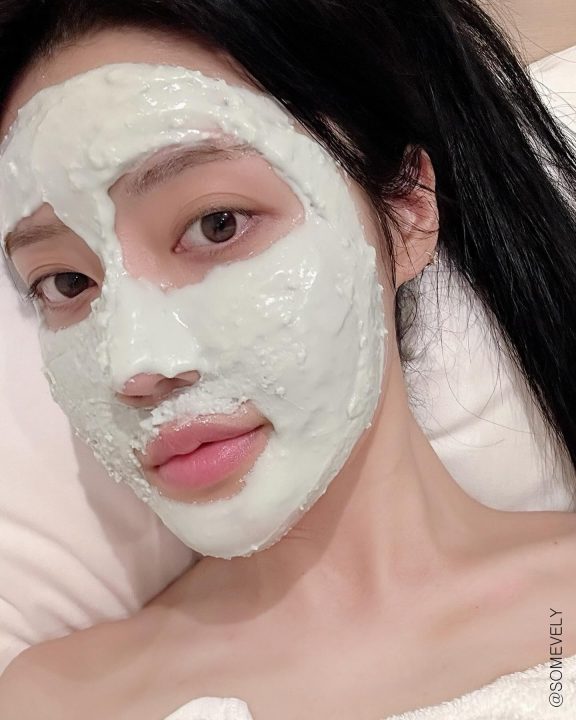
Moisturizers to Nourish Dry Skin
Using a high-quality moisturizer regularly can make a significant difference in the health and appearance of your skin. It’s not just about slathering on a product when your skin feels dry; it’s about maintaining a routine that keeps your skin hydrated and protected day in and day out.