
Traveling is fun, but it can leave your skin dry and itchy. After your trip, you might notice your skin feels tight and looks dull – this happens because of changing climates, dry airplane air, and messing up your usual skincare routine. But don’t worry! You’ll learn easy ways to fix dry skin after travel, so you can focus on your amazing memories instead.
Why Does Travel Cause Dry Skin?
Travel often leaves our skin feeling dry and uncomfortable. This is due to several factors that we encounter during our journeys. Dehydration is a common issue when traveling. We may forget to drink enough water while rushing between destinations or exploring new places. The small drinks provided on airplanes are usually not enough to keep us properly hydrated.
Climate change can also affect our skin. Moving from a humid environment to a dry one, or vice versa, can cause our skin to react and become dry as it tries to adjust to the new conditions. Airplane cabins are particularly harsh on our skin. The recycled air in planes is very dry, which can quickly remove moisture from our skin.
These factors combined often result in dry, tight-feeling skin after travel. However, there are ways to combat this issue. The practical tips and strategies below will help your skin recover after travel. We’ll cover quick solutions and long-term approaches to keep your skin hydrated and healthy, even when you’re on the go.
Immediate Rehydration
After traveling, the key to helping your skin recover is immediate rehydration. Start by drinking plenty of water – aim for at least 8 glasses a day. If plain water isn’t appealing, add slices of lemon or cucumber for flavor. Electrolyte-rich beverages can also help your body retain water more effectively. Choose low-sugar options like coconut water or sports drinks, which can be especially helpful if you’re feeling tired from jet lag.
Don’t forget about hydrating from the inside out. Eat foods with high water content to boost your hydration. Good options include watermelon, cucumber, strawberries, grapes, and cherry tomatoes. These are easy to carry and make great snacks during your trip.
Remember, rehydration isn’t a one-time thing. Keep up your water intake throughout your trip to maintain hydrated skin. Set reminders on your phone if you tend to forget. By focusing on immediate rehydration through drinking water, consuming electrolytes, and eating water-rich foods, you can help your skin recover quickly from the drying effects of travel.
Removing Travel Residue
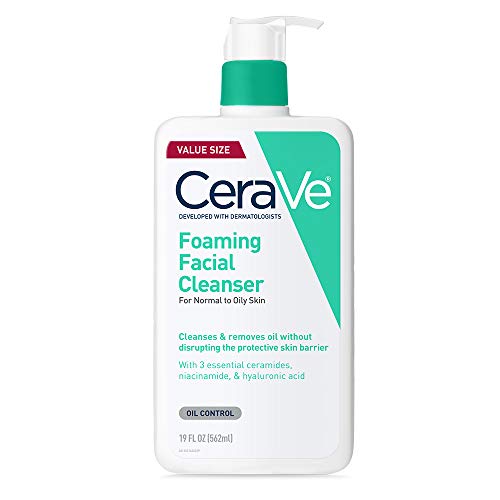
Clean your skin gently to remove built-up dirt, oil, and pollutants without causing more dryness. Choose a mild, non-foaming cleanser that won’t strip your skin’s natural oils. Look for products with hydrating ingredients like glycerin or hyaluronic acid.
To effectively remove travel grime, consider using the double cleanse method. Start with an oil-based cleanser to break down makeup and sunscreen, then follow with a water-based cleanser to remove any remaining impurities.
Prices pulled from the Amazon Product Advertising API on:
Product prices and availability are accurate as of the date/time indicated and are subject to change. Any price and availability information displayed on [relevant Amazon Site(s), as applicable] at the time of purchase will apply to the purchase of this product.
When washing your face, use lukewarm water instead of hot water, which can dry out your skin further. Gently massage the cleanser into your skin using circular motions, paying extra attention to areas that tend to get oily or collect dirt.
After cleansing, pat your face dry with a soft towel rather than rubbing, which can irritate sensitive skin. If you wear makeup, make sure to remove it completely before bed, even if you’re tired from traveling.
Moisturizing with a Hydrating Mask
Sheet masks are a convenient option. They’re pre-soaked in hydrating ingredients and create a barrier that helps your skin absorb the nutrients. Look for masks containing hyaluronic acid, which is excellent for attracting and retaining moisture.
Overnight masks are another effective choice. Apply these thicker treatments before bed and rinse off in the morning. They work while you sleep, providing deep hydration. Masks with glycerin are particularly good at drawing water to your skin.

Prices pulled from the Amazon Product Advertising API on:
Product prices and availability are accurate as of the date/time indicated and are subject to change. Any price and availability information displayed on [relevant Amazon Site(s), as applicable] at the time of purchase will apply to the purchase of this product.
If you prefer a DIY approach, you can make a simple hydrating mask at home. Mix mashed avocado with honey for a moisturizing treatment. Avocado provides healthy fats, while honey helps retain moisture.
For best results, use a hydrating mask at least twice a week after traveling. Apply the mask to clean, dry skin and leave it on for the recommended time – usually 15-20 minutes for sheet masks, or overnight for sleeping masks. After removing, gently pat any excess product into your skin.
Rich Moisturizer for Deep Repair
Choose a thick, creamy moisturizer with ingredients like ceramides, shea butter, and natural oils. These help rebuild your skin’s protective barrier and provide intense hydration. To apply, use upward, circular motions to boost circulation and help the product absorb better. Focus on particularly dry areas. For best results, apply your moisturizer while your skin is still slightly damp from cleansing.
Start moisturizing as soon as possible after landing and continue for a few days post-trip. Your skin may need extra time to recover, especially if you’ve changed time zones or climates. For an extra hydration boost, try layering products. Start with a hyaluronic acid serum, then apply your rich moisturizer, and finish with a few drops of facial oil.

Prices pulled from the Amazon Product Advertising API on:
Product prices and availability are accurate as of the date/time indicated and are subject to change. Any price and availability information displayed on [relevant Amazon Site(s), as applicable] at the time of purchase will apply to the purchase of this product.
Remember to reapply your moisturizer throughout the day if your skin feels dry. This is especially important in dry or air-conditioned environments.
Soothing Irritated Skin
Aloe vera is an effective remedy for soothing dry, irritated skin. Apply pure aloe vera gel directly to affected areas for quick relief. For best results, store the gel in the refrigerator for a cooling effect.
Chamomile is another powerful ingredient for calming skin. Look for serums or creams containing chamomile extract to reduce redness and inflammation.
Anti-inflammatory serums can also help. Ingredients like niacinamide, green tea extract, and licorice root work to calm irritated skin. Apply these serums after cleansing and before moisturizing.

Prices pulled from the Amazon Product Advertising API on:
Product prices and availability are accurate as of the date/time indicated and are subject to change. Any price and availability information displayed on [relevant Amazon Site(s), as applicable] at the time of purchase will apply to the purchase of this product.
For a simple DIY solution, try an oatmeal and honey mask. Mix 1 tablespoon of ground oatmeal with 1 teaspoon of honey and a small amount of milk. Apply to your face for 15 minutes, then rinse off.
When dealing with irritated skin after travel, be gentle. Avoid harsh products and consider skipping makeup for a day or two to let your skin recover.
Hydration Boost
Facial mists and hydrating serums are essential tools for combating dry skin after travel. These products quickly replenish moisture and help maintain hydration throughout the day.
Facial mists offer instant relief for parched skin. Look for mists containing hyaluronic acid, which is known for its superior hydrating properties. Keep a travel-sized mist in your carry-on for easy access during your flight. Hydrating serums provide a concentrated dose of moisture. Apply them after misting to lock in hydration. Seek out serums with ingredients like hyaluronic acid or glycerin, which effectively draw water into the skin.

Prices pulled from the Amazon Product Advertising API on:
Product prices and availability are accurate as of the date/time indicated and are subject to change. Any price and availability information displayed on [relevant Amazon Site(s), as applicable] at the time of purchase will apply to the purchase of this product.
For best results, use mists and serums together:
- Spritz your face generously with the mist.
- While the skin is still damp, apply your hydrating serum.
- For extra hydration, mist again and follow with a moisturizer.
Use this routine consistently after travel to help your skin recover quickly. Reapply the mist throughout the day as needed.
Nighttime Repair Routine
Start with a hydrating serum containing hyaluronic acid to help your skin retain moisture. Next, apply a rich night cream to lock in hydration. For extra dry skin, mix a few drops of facial oil into your cream. This combination provides intense moisture and helps repair your skin’s barrier.
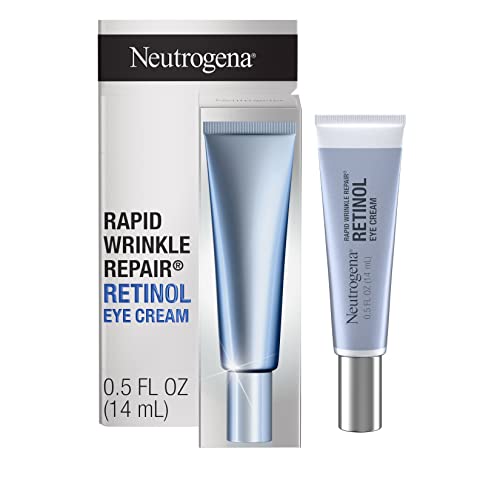
Consider using an overnight mask once or twice a week. These masks work while you sleep, delivering potent hydrating ingredients like ceramides or niacinamide. Don’t forget to apply eye cream to combat dark circles and puffiness from travel fatigue.
Prices pulled from the Amazon Product Advertising API on:
Product prices and availability are accurate as of the date/time indicated and are subject to change. Any price and availability information displayed on [relevant Amazon Site(s), as applicable] at the time of purchase will apply to the purchase of this product.
Before bed, run a humidifier in your room to add moisture to the air. This can help prevent further skin dehydration overnight. If possible, sleep on a silk pillowcase, which is gentler on your skin than cotton. Stick to this routine for several nights after your trip.
Avoid Exfoliating Immediately After Travel
Your skin’s protective barrier is likely compromised from exposure to dry airplane air, new climates, and different water. Exfoliating too soon can further irritate your already stressed skin, leading to more dryness and sensitivity.
Wait until your skin feels hydrated and less sensitive before exfoliating, usually about 3-5 days after your trip. When you do start exfoliating again, use gentle methods:
- Try chemical exfoliants like lactic or glycolic acid instead of harsh physical scrubs
- Use a soft washcloth with your regular cleanser for light exfoliation
- Look for products with enzymes that gently remove dead skin cells
Pay attention to how your skin feels. If it’s still tight, dry, or irritated, wait longer before exfoliating. There’s no fixed timeline – everyone’s skin is different.
Remember, over-exfoliating can damage your skin. Start with once a week and gradually increase frequency if needed.
SPF Application After Travel
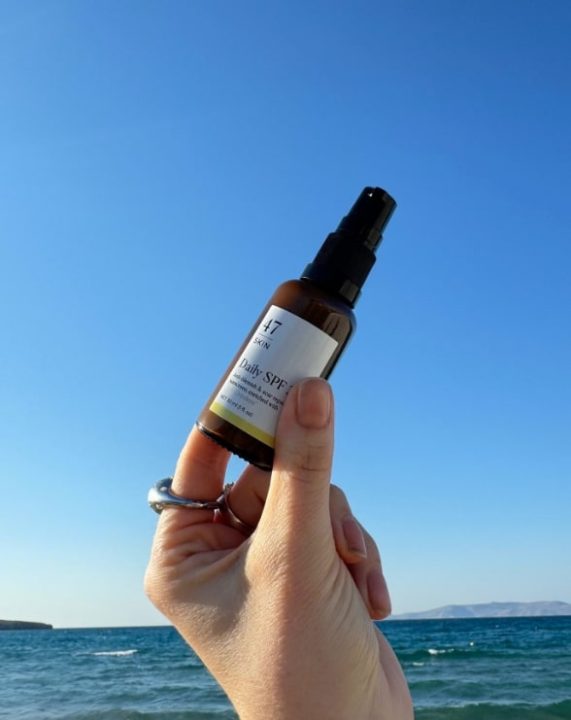
Your skin’s protective barrier is weakened from the stresses of travel, making it more vulnerable to UV damage. Sun exposure can worsen dry skin and delay your skin’s recovery. Use sunscreen with at least SPF 30 to protect your skin effectively. Look for products specifically designed for dry or sensitive skin. These often contain hydrating ingredients like hyaluronic acid or ceramides, which can help moisturize while protecting your skin.
Apply sunscreen generously to all exposed areas, including your face, neck, and hands. Use about a nickel-sized amount for your face alone. Reapply every two hours if you’re spending time outside. For best results, apply your sunscreen after moisturizer but before makeup. This helps create an additional barrier against moisture loss. Don’t forget to protect your lips too – use a lip balm with SPF.

Prices pulled from the Amazon Product Advertising API on:
Product prices and availability are accurate as of the date/time indicated and are subject to change. Any price and availability information displayed on [relevant Amazon Site(s), as applicable] at the time of purchase will apply to the purchase of this product.
Body Rehydration
Maintaining good hydration habits throughout your trip and after you return home is equally important for skin recovery. Here are some additional tips to keep your skin hydrated:
- Try herbal teas like chamomile or green tea, which offer hydration and antioxidants that can benefit your skin. Avoid caffeine and alcohol, as these can contribute to dehydration.
- Consider using a humidifier in your hotel room or home after your trip. This adds moisture to the air, which can help prevent your skin from drying out while you sleep.
- Don’t forget about omega-3 fatty acids. Foods rich in these healthy fats, like salmon, walnuts, and flaxseeds, can help your skin retain moisture from the inside out.
- Pay attention to your urine color – it should be pale yellow. If it’s darker, you need to drink more water.
Remember, consistency is key. Make hydration a habit by carrying a reusable water bottle and setting regular drinking intervals.
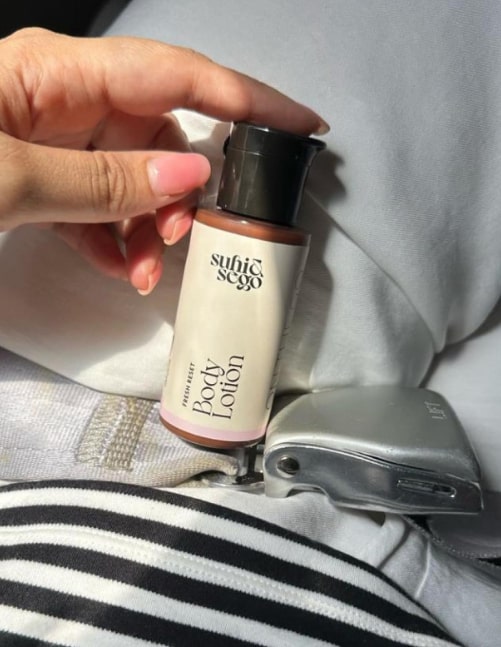
Take a Break from Harsh Products and Makeup
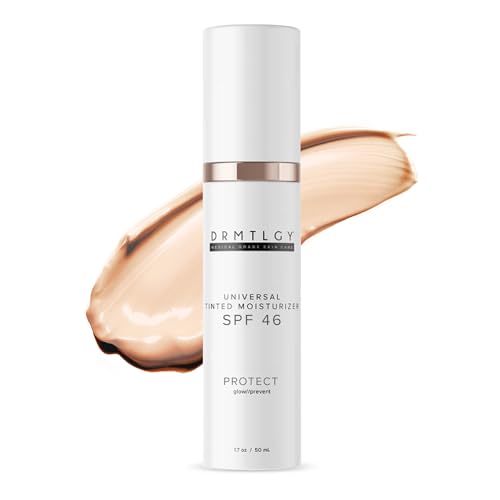
It’s best to avoid heavy makeup and harsh skincare products for a few days. This break allows your skin’s protective barrier to repair itself. Switch to a gentle, non-foaming cleanser that won’t strip your skin of its natural oils. Use a fragrance-free moisturizer with hydrating ingredients like hyaluronic acid or glycerin. If you must wear makeup, opt for light, breathable options like tinted moisturizers or BB creams instead of full-coverage foundations.
Prices pulled from the Amazon Product Advertising API on:
Product prices and availability are accurate as of the date/time indicated and are subject to change. Any price and availability information displayed on [relevant Amazon Site(s), as applicable] at the time of purchase will apply to the purchase of this product.
Avoid using strong acne treatments, exfoliants, or products with alcohol during this recovery period. These can further irritate dry, sensitive skin. Instead, focus on hydration and soothing ingredients. When you’re ready to return to your normal routine, reintroduce products gradually. Add one product back every few days, watching for any negative reactions. This careful approach helps identify which products might be irritating.
Easy Ways to Beat Skin Dryness
While travel can challenge your skin, the right skincare approach can keep you glowing on any adventure. Focus on hydration and gentle care and adapt your routine to new environments, using products that nourish and protect. Remember, skincare isn’t just about your face – your whole body needs attention after travel. Bon voyage to both you and your happy skin!
How to Fix Dry Skin After Travel: FAQs
Why is my skin so dry after traveling?
Your skin gets dry after traveling due to several factors: low humidity in airplanes, dehydration from not drinking enough water, exposure to different climates, and changes in your skincare routine. These conditions strip moisture from your skin, leaving it feeling dry, tight, and sometimes irritated.
How to treat dry skin after a flight?
To treat dry skin after a flight, start by rehydrating. Drink plenty of water and apply a rich moisturizer. Use a hydrating face mask or sheet mask for quick relief. Avoid hot showers, which can further dry your skin. Apply a lip balm and use a humidifier in your room to add moisture to the air.
Why is my skin so dry after a holiday?
Your skin might be dry after a holiday due to changes in climate, increased sun exposure, chlorinated pools or salty seawater, and disruptions to your usual skincare routine. Travel stress and different diets can also affect your skin’s hydration levels. These factors combined can lead to moisture loss and skin dryness.
Why is my skin so bad after traveling?
Your skin may look bad after traveling due to various factors: dehydration, lack of sleep, changes in diet, exposure to new environments, and disrupted skincare routines. Stress from travel can also trigger breakouts. Additionally, airplane cabins have low humidity, which can dry out your skin and make it more prone to issues.
